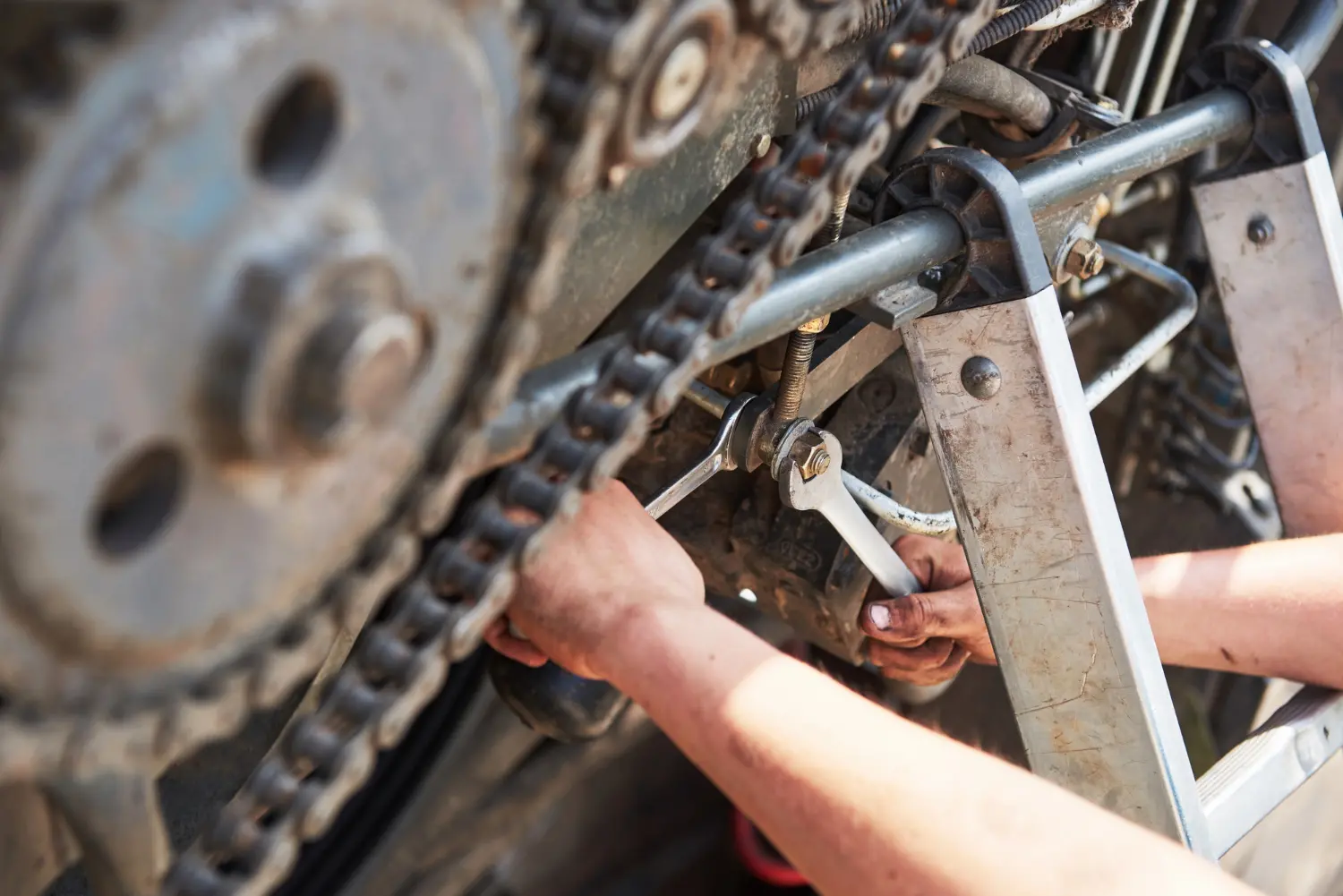
Industrial maintenance has always been seen as a cost center. However, in modern and highly competitive operations, it has become a strategic factor for predictability, safety and profitability. The difference between reactive maintenance and intelligent maintenance is directly linked to the quality of engineering applied to equipment.
In this context German precision engineering stands out. By reducing failures, irregular wear and unpredictable behavior, it turns maintenance into a planned process. When applied in Brazil by specialists like CSI International, this approach creates real control over critical industrial assets.
The Problem of Reactive Maintenance in Industry
Corrective maintenance is, most of the time, a consequence of inadequate technical decisions. It arises when:
- Components exhibit irregular wear
- Failures occur without prior signs
- Equipment was not designed for continuous operation
- Materials do not support the working environment
This model generates high costs, safety risks and direct impact on production. It also makes the operation unpredictable, hindering planning and decision-making.
How German Engineering Makes Maintenance Predictable
German precision engineering acts directly on the causes that make maintenance unstable.
Predictable Mechanical Behavior
Components manufactured with tight tolerances present uniform wear, facilitating monitoring and planning of interventions.
Reduction of Sudden Failures
High-quality materials and robust designs reduce the risk of abrupt failures, allowing preventive actions before any shutdown.
Clearer Maintenance Intervals
Component reliability allows defining longer and more precise maintenance cycles, without surprises.
The result is planned, safe maintenance aligned with operational strategy.
CSI International: Engineering Applied to Asset Management
CSI International acts as a technical partner for industries seeking to break the cycle of recurring failures. Its work focuses on applying precision engineering to transform maintenance into asset management.
As the official representative of ZOLLERN, CSI brings to the Brazilian market components designed for maximum reliability, ideal for preventive and predictive maintenance strategies.
CSI's work includes:
- Technical selection of components to reduce failures
- Support for maintenance predictability
- Reduction of emergency interventions
- Specialized local technical support
Where Operational Predictability Adds Most Value
Continuous-Process Industries
Each unplanned shutdown affects production, safety and costs.
Mining and Steelmaking
Severe environments require absolute control over wear and maintenance cycles.
Energy and Infrastructure
Critical systems depend on reliability to avoid serious operational risks.
In these scenarios, the predictability generated by German engineering applied by CSI reduces risks and increases overall operational efficiency.
Predictable Maintenance Reduces Costs and Risks
When maintenance is planned, industry gains:
- Fewer emergency shutdowns
- Lower costs with overtime and urgencies
- More operational safety
- Better asset utilization
Mature companies understand that predictability is worth more than quick fixes.
Predictability Is Well-Applied Engineering
Intelligent maintenance does not rely only on sensors or software. It starts at the base: precision engineering, correct materials and reliable designs. German engineering delivers exactly that.
With CSI International, this approach becomes more predictable, safer and more profitable operations for Brazilian industry.
Want to transform maintenance into strategy and predictability into a competitive advantage?
FAQ – Frequently Asked Questions
References
- CSI International official website – https://csi-br.com
- ZOLLERN Group – German Engineering and Industrial Reliability
- DIN / VDI standards – Maintenance and Asset Management