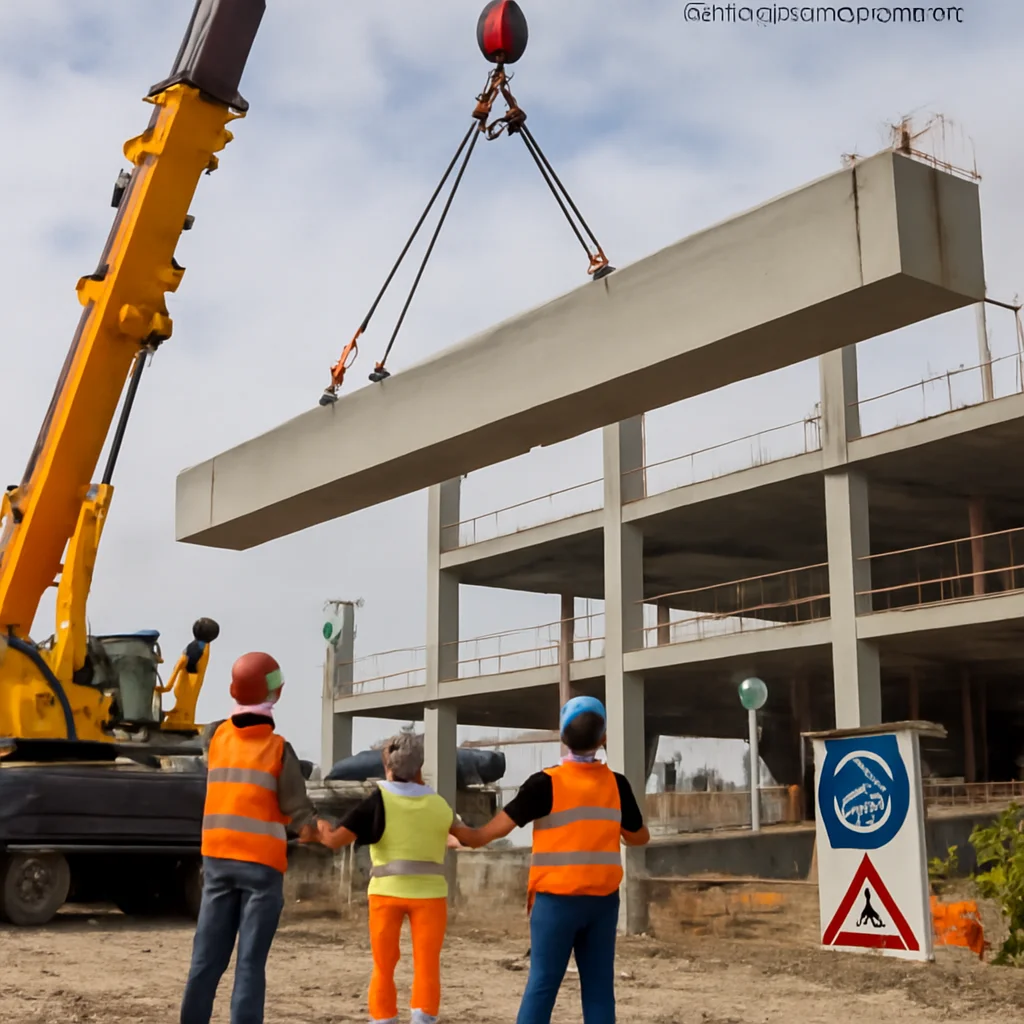
Load lifting operations leave no room for error. Even so, many projects face delays, extra costs, and safety risks due to failures that could be avoided with proper planning and a specialized technical partnership.
Most lifting problems are not directly related to the equipment itself, but rather to how the operation is planned and executed.
With structured processes and qualified technical support, it is possible to prevent failures, reduce losses, and make operations much safer and more predictable.
Why lifting errors are so frequent
Several factors contribute to repeated failures in this type of operation, such as lack of technical planning, decisions based solely on cost, underestimation of risks, lack of specialized support, and improper crane selection.
These issues show that the problem is rarely isolated — it is usually structural and the result of poorly informed decisions.
Without a preventive approach, small oversights can quickly turn into major operational losses.
Main mistakes made during load lifting operations
Selecting a crane based only on maximum capacity, without considering radius, height, and site conditions, is one of the most common and dangerous mistakes.
Ignoring the load’s center of gravity, shape, or lifting points compromises stability and significantly increases the risk of accidents.
Insufficient planning, overlooking environmental conditions, and hiring suppliers without technical support also greatly increase the chances of failures during execution.
How a strong partnership prevents these mistakes
A strategic partnership works proactively, eliminating potential failures before the operation even begins through complete technical planning.
Proper equipment selection prevents overload, underutilization, and unnecessary costs, ensuring both efficiency and safety.
Technical support during execution enables quick responses to unexpected situations, reducing risks and interruptions.
With specialized guidance, critical decisions are based on technical analysis rather than improvisation.
The role of CSI Brasil in preventing lifting failures
CSI Brasil stands out for its consultative and technical approach, helping prevent common lifting mistakes and supporting clients at every stage of the operation.
Its strengths include solid technical expertise, involvement from planning to execution, modern and reliable equipment, and a strong commitment to safety and best practices.
With experience in highly complex operations, the company reduces failures, avoids rework, and ensures safer and more efficient projects.
This approach turns the supplier into a true strategic partner for each project.
Impacts of lifting mistakes
When mistakes occur, the impacts can be severe, including schedule delays, unexpected extra costs, risks to team safety, and damage to equipment and structures.
Beyond financial losses, lifting failures can also harm the company’s reputation and the overall reliability of the project.
How to reduce risks in lifting operations
Carefully planning each operation, choosing experienced technical partners, prioritizing safety over immediate costs, using proper equipment, and ensuring continuous support throughout the process are essential practices to significantly improve safety and efficiency.
Conclusion
Mistakes in lifting operations rarely happen by chance. In most cases, they are the result of poorly guided decisions and the absence of a strong partnership.
By working with an experienced and technical partner like CSI Brasil, companies reduce risks, avoid losses, and ensure safer, more efficient, and more predictable lifting operations.
FAQ – Lifting operation mistakes
Incorrect crane selection for the specific operation.
Yes. Technical planning is essential to prevent failures and improve operational predictability.
Yes. A strong partnership includes a full operational assessment, hazard identification, and preventive measures.
Yes. The company operates with a consultative and preventive approach, supporting clients from planning through execution.
References
Official CSI Brasil website – https://www.csi-br.com
ABNT – Safety standards for load lifting
Best practices in crane and industrial lifting operations