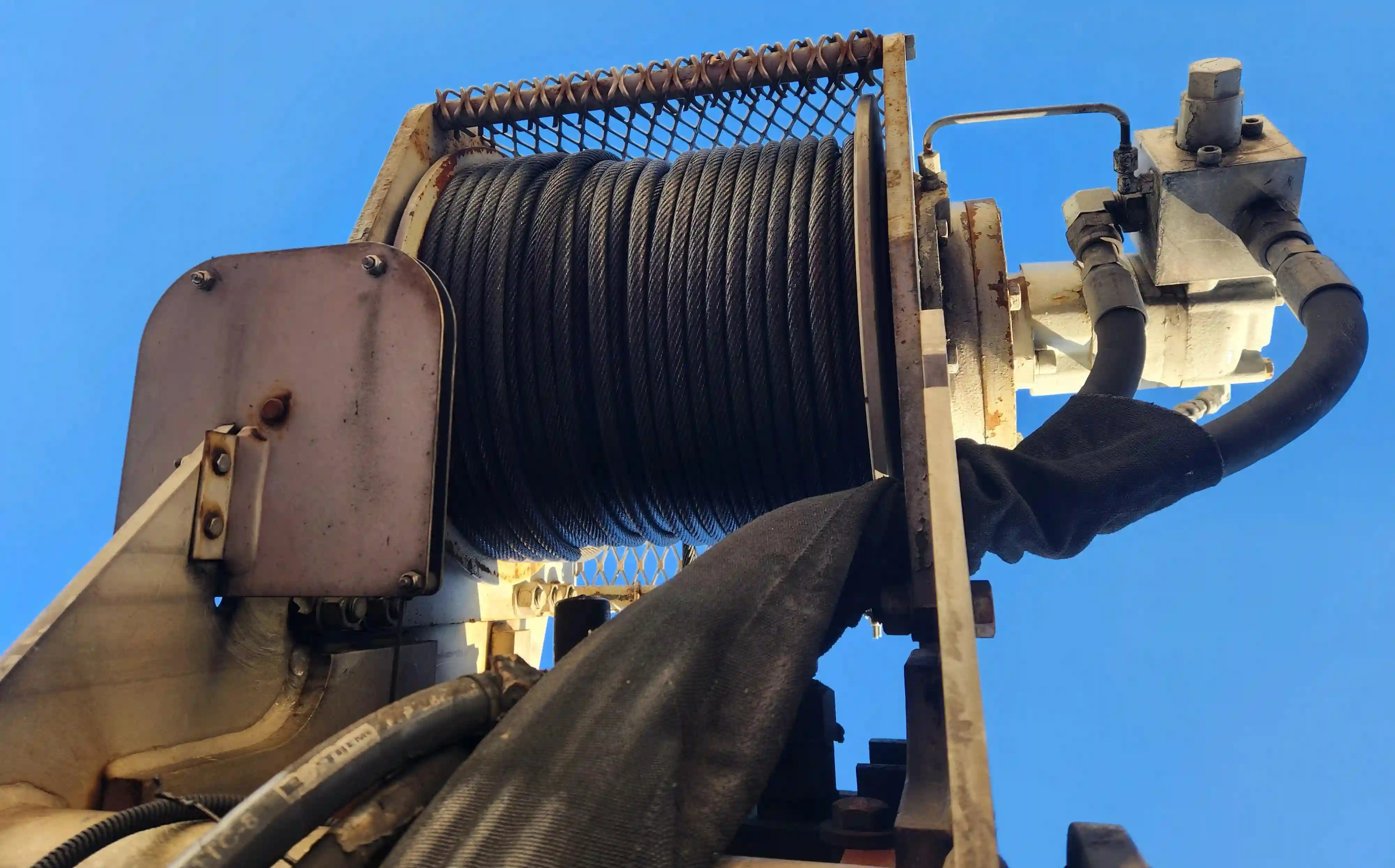
Main Failures in Load Drums and How to Prevent Them
Back to articlesLoad drums are fundamental components in industrial lifting systems. When they fail, the impacts go far beyond operational downtime, potentially compromising safety, productivity, and operating costs.
The good news is that most of these failures can be avoided with structured preventive maintenance.
In this article, you will learn about the most common failures in load drums, their causes, and how to prevent them effectively.
Excessive groove wear
Cause:
Continuous contact with steel wire ropes, combined with high loads and misalignment, causes progressive wear of the drum grooves.
Risks:
- Wire rope slippage
- Increased wear of the wire rope
- Loss of load control
How to prevent:
- Periodic inspection of the grooves
- Correction of misalignment
- Scheduled drum replacement or technical refurbishment when applicable
Load drum misalignment
Cause:
Improper installation, structural deformation, or wear of bearings and housings.
Risks:
- Overloading of wire ropes
- Excessive vibration
- Reduced service life of the entire system
How to prevent:
- Regular alignment checks
- Vibration monitoring
- Preventive maintenance of bearings
Failures due to improper lubrication
Cause:
Use of incorrect lubricant, over-lubrication or under-lubrication, and contamination by dust or debris.
Risks:
- Excessive overheating
- Drum seizure
- Premature damage to bearings and shafts
How to prevent:
- Strictly follow manufacturer recommendations
- Define appropriate lubrication intervals
- Use certified industrial lubricants
Material cracks and fatigue
Cause:
Repeated load cycles, overloads, and material aging without proper inspections.
Risks:
- Sudden drum rupture
- Serious accidents
- Structural damage to the lifting system
How to prevent:
- Regular visual and technical inspections
- Non-destructive testing when required
- Preventive replacement before end of service life
Operation outside design limits
Cause:
Applying loads above specifications or increasing operating frequency without technical reassessment.
Risks:
- Structural failures
- Drastic reduction in service life
- Loss of equipment warranty
How to prevent:
- Respect load limits and duty cycles
- Reassess the system in case of operational changes
- Rely on specialized technical support
Preventive maintenance as the main prevention strategy
All the failures mentioned have one thing in common: they can be avoided with well-planned preventive maintenance.
- Reduce unplanned downtime
- Increase operational reliability
- Ensure greater safety for operators
- Better control maintenance costs
CSI, as the official representative of ZOLLERN in Brazil, provides solutions and technical support aligned with international best practices in maintenance and safety.
Conclusion: preventing failures means protecting your operation
Failures in load drums do not happen by chance.
They result from wear, improper use, and mainly the lack of effective preventive maintenance.
By investing in regular inspections, quality components, and specialized technical support, your company protects people, equipment, and results.
Count on CSI, ZOLLERN’s representative in Brazil, to raise the safety and reliability standards of your operation.