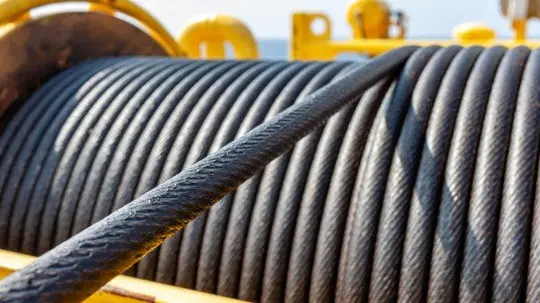
Preventive maintenance of load drums should not follow only internal best practices. It must be aligned with national and international technical standards that establish minimum safety, inspection, and operational criteria for lifting equipment.
In this article, you will understand which standards directly impact load drums and why regulatory compliance is essential for a safe and reliable operation.
Why are technical standards so important?
Technical standards exist to:
- Reduce accident risks
- Standardize inspection and maintenance criteria
- Ensure the safety of people and facilities
- Increase equipment reliability
Companies that ignore these guidelines are more exposed to operational failures, shutdowns, and legal liabilities.
Main standards applicable to load drums
ABNT NBR ISO 9927 – Inspection of lifting equipment
This standard establishes guidelines for periodic inspections, including:
- Inspection frequency
- Visual and functional evaluation criteria
- Inspection records and traceability
It is essential for structuring preventive maintenance plans in systems that use load drums.
ISO 4309 – Steel wire ropes for lifting equipment
Although focused on steel wire ropes, this standard directly impacts load drums, as it addresses:
- Acceptable wear conditions
- Relationship between rope and drum
- Replacement criteria
Grooves and drum surfaces out of specification accelerate rope wear and violate regulatory requirements.
Work safety and technical inspection standards
In addition to specific standards, preventive maintenance must consider:
- Operational safety requirements
- Lockout and signaling procedures
- Qualification of inspection teams
These points ensure that maintenance is performed safely and properly documented.
The role of preventive maintenance in regulatory compliance
Compliance with technical standards is only possible when preventive maintenance is treated as a continuous process, not as a one-time action.
- Documented inspections: Maintaining technical records is essential for audits, certifications, and traceability.
- Planned interventions: Replacement or adjustment of components must occur before regulatory limits are exceeded.
- Use of certified components: Parts and systems must meet the technical specifications required by applicable standards.
The importance of certified manufacturers and representatives
The choice of suppliers directly impacts regulatory compliance. CSI, as the official representative of ZOLLEN in Brazil, provides solutions designed to meet the highest technical and regulatory standards in the lifting industry.
This partnership offers:
- Compliance with international standards
- Specialized technical support
- Guidance for preventive maintenance and inspections
Risks of operating outside standards
Non-compliance may result in:
- Higher risk of accidents
- Mandatory operational shutdowns
- Fines and legal liabilities
- Damage to the company’s reputation
Investing in preventive maintenance aligned with standards is a direct way to mitigate risks and protect operations.
Standards and prevention go hand in hand
Preventive maintenance and regulatory compliance are inseparable when it comes to load drums.
Following technical standards is not just a legal requirement, but a smart strategy to ensure safety, performance, and equipment longevity.
If your company seeks reliability, safety, and adherence to technical standards, count on CSI, the representative of ZOLLEN in Brazil, to raise the standard of your industrial maintenance.
Contact CSI and strengthen your compliance and prevention strategy.