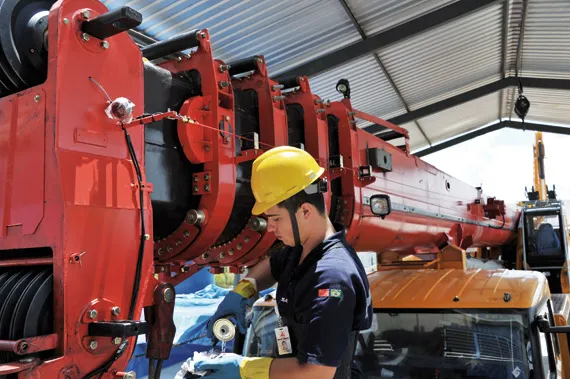
Crane Inspection: How to Prevent Serious Operational Accidents
Back to articlesWhy crane inspection is essential for safety
Imagine a busy construction site. A crane lifting tons of material, confident operators, tight schedules. Everything seems under control — until a cable snaps, a structural failure goes unnoticed, or a safety system fails. In seconds, productivity turns into accidents, financial losses, project stoppage, and, in the worst case, fatalities.
This type of situation is not an exception. In most cases, the root cause is the lack or failure of crane inspection. Proper inspection is the line that separates a safe operation from imminent risk.
The problem: failures in crane inspection
Cranes are large equipment subjected to extreme stress, harsh environments, and continuous use. Any component — no matter how small — can become a critical point of failure.
Among the most common problems found in crane accidents are:
- Worn steel cables or broken wires
- Hydraulic systems with leaks
- Non-functional load limiters
- Brake and safety device failures
Why informal inspections do not work
- Do not follow standardized technical criteria
- Do not meet legal requirements (NR-11, NR-12 and ABNT standards)
- Do not generate valid documentation for audits and inspections
- Rely exclusively on human perception
The solution: technical crane inspection
Crane technical inspection must be performed systematically, documented, and in accordance with current standards, evaluating the equipment as an integrated system.
Conclusion: safety is not a cost, it is a strategy
Crane inspection protects lives, prevents financial losses, ensures legal compliance, and strengthens the company's image. Inspecting costs less than remediating.
FAQ – Frequently Asked Questions About Crane Inspection
Technical and regulatory references
Crane inspections must strictly follow regulatory and technical standards in Brazil.
-
NR-11 – Transport, Handling, Storage, and Material Movement
https://www.gov.br/trabalho-e-emprego -
NR-12 – Safety in Machinery and Equipment Operation
https://www.gov.br/trabalho-e-emprego -
ABNT NBR 8400 – Calculation of Load-Lifting Equipment
https://www.abnt.org.br -
ABNT NBR ISO 9927 – Crane Inspection
https://www.abnt.org.br